Why a Food Truck Needs a Commissary Kitchen
Running a food truck does not mean cooking exclusively on the truck. In France, food safety regulations require every mobile food operator to use a licensed preparation facility — commonly called a commissary kitchen or food laboratory. This facility must comply with HACCP standards and be declared to the local food safety authority (Direction Départementale de la Protection des Populations — DDPP).
Operating without a licensed commissary kitchen exposes your business to:
- Immediate administrative closure following an inspection
- Criminal penalties of up to €15,000
- Refusal or revocation of your operating licence
What the Law Actually Requires
Under EU Regulation (EC) No 852/2004 and French consumer law, every food business operator must have facilities suitable for the safe preparation of food. For food truck operators, this means:
- A facility registered with the DDPP with an approval number
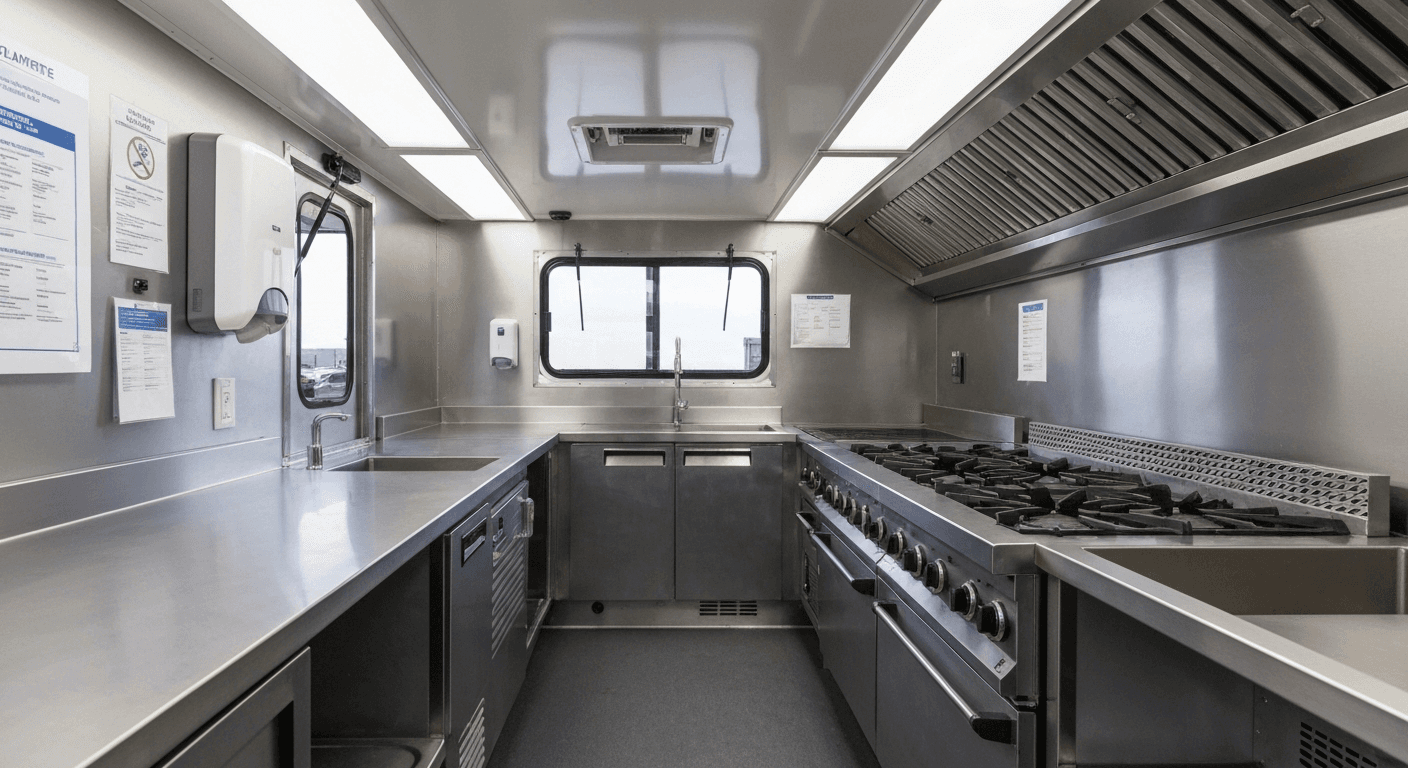
- Compliant equipment (washable surfaces, hot and cold running water, forward-flow layout)
- A documented cleaning and disinfection plan
- Monitored and recorded storage temperatures
Options for Finding a Commissary Kitchen
1. Rent a Professional Kitchen by the Hour or Day
Platforms such as Cookal, Lieux-Cuisines.fr, and Frishti connect food truckers with available professional kitchens for rent. Benefits:
- No upfront investment
- Flexibility to match your service schedule
- Access to professional-grade equipment
- Shared maintenance and cleaning costs
2. Partner with a Traditional Restaurant
Many restaurants have underused kitchens outside service hours — early mornings or mid-afternoons. You can negotiate a sublease agreement.
Advantages:
- Often cheaper than a dedicated platform (€30–70 per session, negotiable)
- Close relationship and scheduling flexibility
- Potential integration into a local restaurateur network
- Confirming the restaurant's commercial lease permits subletting
- Signing a written agreement specifying traceability and hygiene responsibilities
- Declaring the facility to the DDPP with the owner's written consent
3. Join an Incubator or Food Truck-Focused Shared Kitchen
In major French cities (Paris, Lyon, Bordeaux, Nantes, Toulouse), spaces purpose-built for mobile food operators offer monthly membership packages including kitchen access, storage, and sometimes administrative support.
Examples: La Recyclerie (Paris), Foodlab (Lyon), Co-Cuisine (Bordeaux).
Average rates: €200–600/month depending on usage frequency and included services.
This model is ideal if you run more than 3 services per week: the per-use cost becomes lower than hourly billing.
4. Build or Fit Out Your Own Laboratory
This is the most expensive option but the most durable if you operate multiple trucks or plan to develop a catering arm. Fitting out a compliant laboratory typically costs:
- Premises and commercial lease: €500–1,500/month depending on size and location
- Compliance works: €10,000–40,000 (surfaces, plumbing, ventilation, electrical)
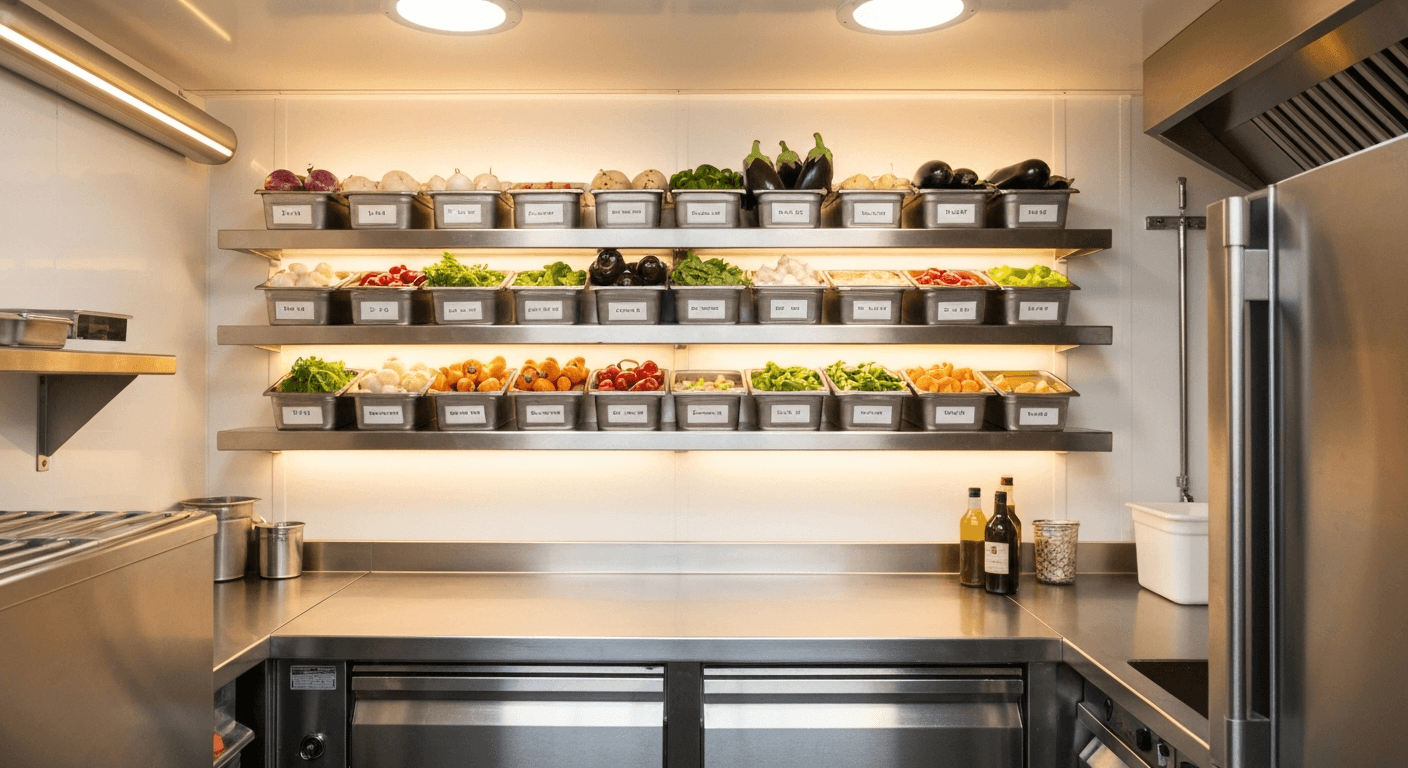
- Equipment (walk-in cooler, stainless steel benches, grease trap): €8,000–25,000
How to Register Your Commissary Kitchen with the DDPP
Registration is mandatory before you start trading. Here is the process:
- Assemble your file: floor plan of the facility, description of activities, equipment list, HACCP cleaning plan
- Submit Cerfa form No. 13984 to your departmental DDPP (or online via agriculture.gouv.fr)
- Wait for the acknowledgement: this serves as provisional authorisation. An inspection may follow within 3 months.
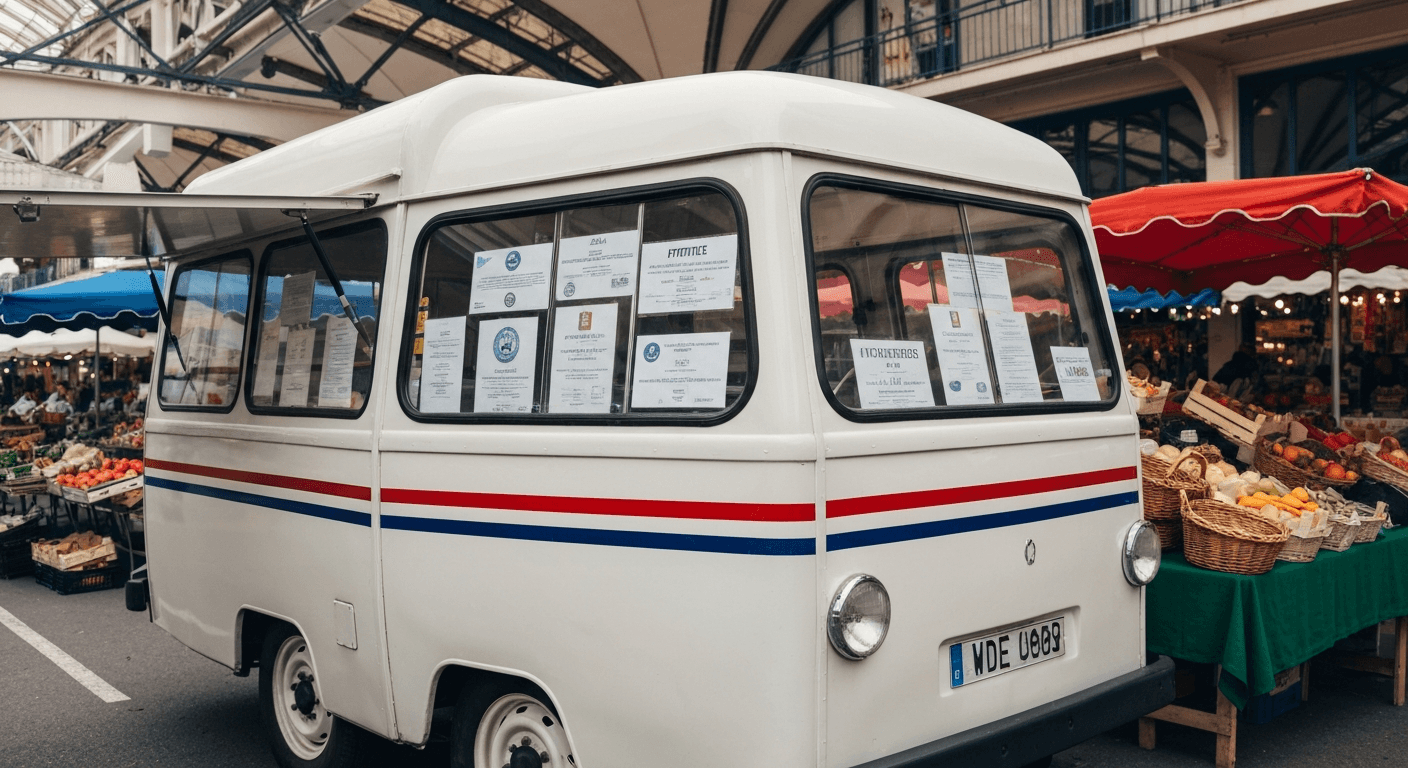
- Display your declaration number in your truck — inspectors can request it at any time.
Factoring the Commissary Kitchen Cost into Your Overheads
The commissary kitchen is a non-negotiable operating cost to budget from launch. Depending on your service frequency:
| Frequency | Recommended Solution | Estimated Monthly Cost | |---|---|---| | 1–2 services/week | Hourly rental | €60–200 | | 3–4 services/week | Day rental or restaurant | €200–450 | | 5+ services/week | Shared kitchen subscription | €350–600 | | 2+ trucks | Own laboratory | €1,500–3,500 |
For a food truck turning over €5,000/month, the commissary kitchen accounts for 4–9% of total costs — a reasonable ratio if you optimise your prep sessions.
Pro tip: consolidate your preparations into one large session rather than multiple short bookings. Batch-prepare sauces, marinades, and bases for 3–5 days at a time. You cut rental costs and travel time in one move.
What FoodTracks Can Do for You
Managing commissary kitchen costs is part of a broader view of your profitability. With FoodTracks, you can:
- Scan your kitchen rental invoices and automatically categorise them as fixed costs
- Calculate the impact of this expense on your cost price per dish
- Forecast your prep hours by cross-referencing your sales projections and location schedule
Conclusion
The commissary kitchen is not a luxury — it is the legal and operational backbone of your food truck. Find the arrangement that suits your service rhythm, register it with the DDPP without fail, and include its cost in your financial forecast from the outset. Handled well, this constraint becomes an advantage: more organised prep, calmer health inspections, and a more sustainable business.
Frequently Asked Questions
- Is a commissary kitchen legally required for a food truck in France?
- Yes. EU and French food safety law requires every mobile food operator to use a licensed preparation facility registered with the DDPP. Operating without one exposes you to immediate administrative closure and financial penalties.
- How much does it cost to rent a commissary kitchen for a food truck?
- Hourly rental in a shared kitchen costs €15–40/hour. A full day costs €50–120. A monthly membership in a food truck-dedicated space ranges from €200 to €600/month depending on included services. Negotiating with a local restaurant can yield lower rates, around €30–70 per session.
- Can I use my home kitchen as a commissary kitchen for my food truck?
- No. A home kitchen cannot be registered as a professional preparation facility. It does not meet the required HACCP standards (washable surfaces, flow separation, professional refrigeration, etc.). You must use a licensed professional facility.
- How do I register my commissary kitchen with the DDPP?
- Complete Cerfa form No. 13984 available on agriculture.gouv.fr, together with a floor plan of the facility, a description of activities, and your HACCP cleaning plan. Submit the file to your departmental DDPP. The acknowledgement serves as provisional authorisation. An inspection may follow within 3 months.
- What is the difference between a commissary kitchen and a food laboratory for a food truck?
- Both terms refer to the same type of facility: a licensed professional premises where food is prepared ahead of service. 'Laboratory' is used in bakery and pastry trades; 'commissary kitchen' or 'cuisine centrale' is used in food service. For a food truck operator, both refer to the facility declared to the DDPP.