Why Launch a Vegan Food Truck in 2025?
The vegan market in France continues to grow. According to GFI Europe and retail panel data, plant-based product sales have grown at 20% per year on average since 2020. In street food, the trend is even stronger: festivals, organic markets and business districts show increasing demand for meat-free, dairy-free and environmentally conscious food.
For a food truck operator, this represents a dual opportunity: reaching an underserved customer base and improving margins, since plant-based raw materials are generally less expensive than animal proteins.
High Margin Potential
A classic beef burger uses €2.50 to €3.50 in raw materials for a selling price of €9 to €11. A vegan burger made from a homemade legume patty typically costs €1.20 to €1.80 in ingredients for the same selling price. The result: a gross margin of 70–75% compared to 60–65% for meat-based equivalents.
Fundamentals of a Profitable Vegan Food Truck Menu
1. Choose a Strong, Readable Concept
A vegan menu must tell a story. Some winning positioning examples:
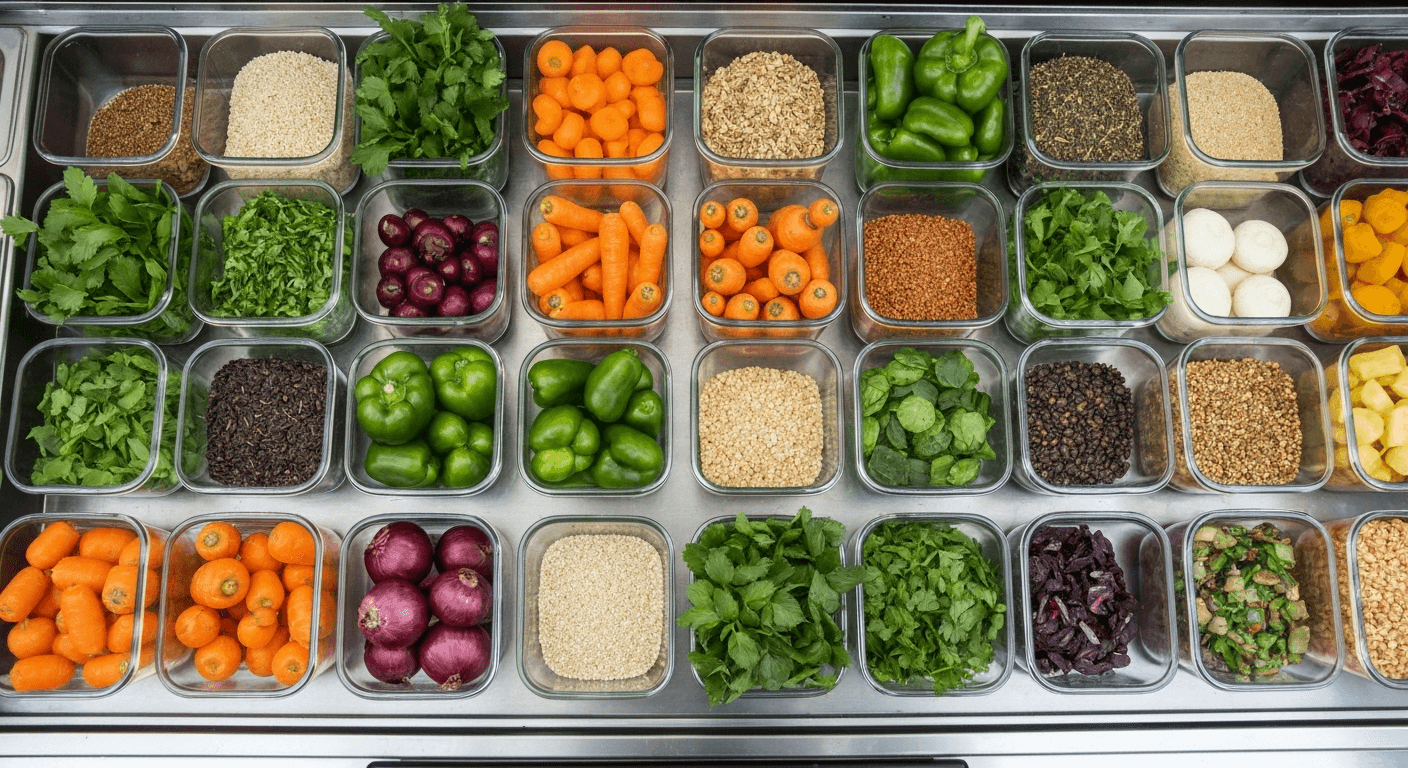
- Plant-based Bowls & Wraps: colour, freshness, customisation
- Vegan Burgers: the most popular in street food, instantly recognisable
- Vegetable World Cuisine: falafel, daal, jackfruit tacos, vegetarian maki
- Vegan Comfort Food: premium fries, veggie hot-dogs, cashew cheese nachos
2. Build a Short, Profitable Menu
6 to 8 items is the ideal size for a vegan food truck:
- 3 to 4 mains (burger, bowl, wrap, platter…)
- 1 to 2 sides (fries, salad, soup)
- 1 signature dessert or drink
3. Calculate the Cost of Each Recipe
This is the most critical step. For each dish, you must know exactly:
- Ingredient cost per portion
- Losses from preparation (peeling, cooking)
- Packaging cost
- Grains (quinoa, rice): €0.40
- Roasted vegetables: €0.70
- Protein (chickpeas, tempeh): €0.55
- Homemade sauce: €0.25
- Packaging: €0.30
- Total raw material cost: €2.20
- Gross margin: €7.80 or 78%
Sourcing: Finding the Right Plant-Based Suppliers
Local Channels and Organic Wholesalers
Sourcing is decisive for staying profitable:
- Organic wholesale markets (Rungis, local MIN): competitive prices on seasonal vegetables
- Specialist plant-based wholesalers: Biocoop Pro, Greenweez Pro, Ecotone
- Local agricultural cooperatives: negotiate weekly contracts with 2 or 3 market gardeners
Affordable Plant Proteins
Proteins are the key line item in a vegan menu:
- Legumes (chickpeas, lentils, beans): cheapest, most nutritious
- Smoked tofu: versatile, works hot or cold
- Tempeh: fermented, protein-rich, growing trend
- Jackfruit: meat-like texture, ideal for vegan pulled "pork"
- Homemade seitan: cost-effective if you prepare it yourself
Positioning and Communication: Attracting Customers
Clearly Display Your Values
Vegan and flexitarian customers are not just looking for a meal — they are looking for alignment with values. Communicate about:
- Your local suppliers (farm name, region)
- Homemade items (sauces, patties, desserts)
- Zero animal waste (recyclable or compostable packaging)
Target the Right Locations
Some locations are naturally more favourable to a vegan concept:
- Trendy / eco-conscious neighbourhoods: high demand, high average basket
- University campuses: young customers receptive to meat alternatives
- Organic festivals and markets: your target audience is already there
- Business parks with CSR policies: employees in HQ offices often look for healthy alternatives
Social Media: Visual Storytelling
Vegan food lends itself perfectly to Instagram and TikTok:
- Overhead photos of colourful bowls
- Preparation videos (burger assembly, sauce drizzle)
- Behind-the-scenes stories at your market garden suppliers
Managing Unsold Stock and Reducing Waste
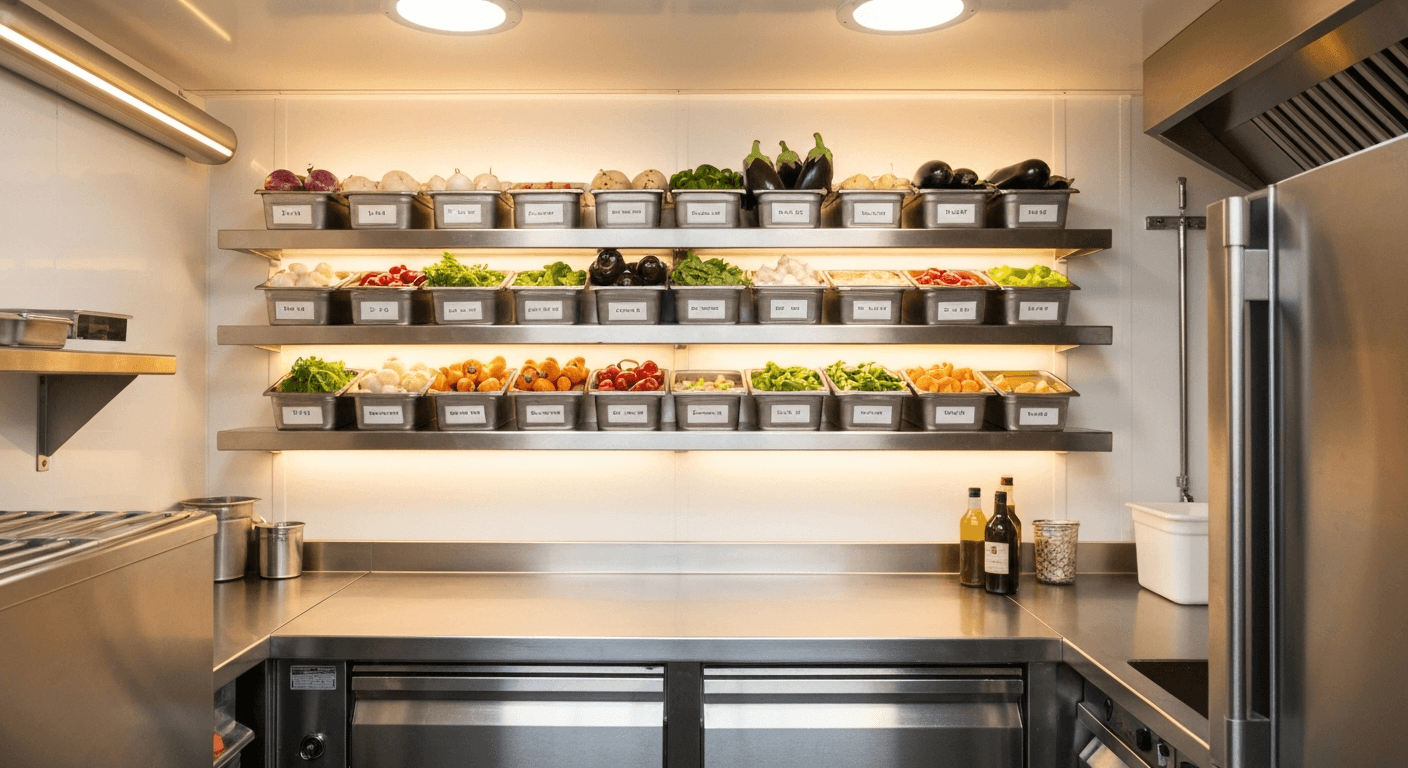
One of the advantages of plant-based recipes is their versatility: roasted vegetables not sold at lunch can become the base of a soup at the end of service. Leftover chickpeas can be turned into hummus for the next day.
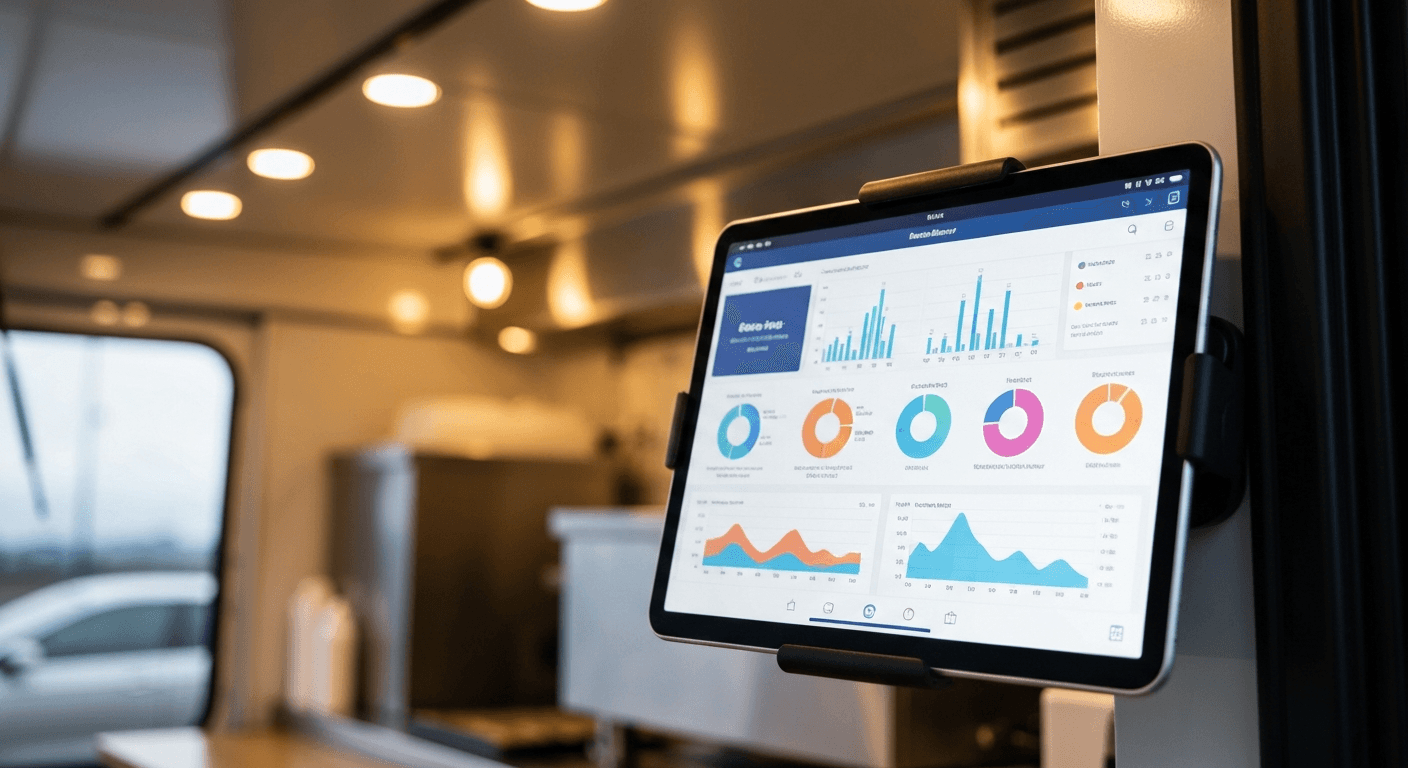
Setting up an unsold stock tracking system will let you quickly spot which dishes are underperforming and adjust your quantities. FoodTracks sends automatic alerts at the end of service to anticipate waste — read our guide on managing unsold stock in a food truck.
Launch Checklist for a Profitable Vegan Food Truck
Before your first service, check:
- [ ] Concept defined with clear name and visual identity
- [ ] Menu of 6 to 8 references max, tested on friends and family
- [ ] Cost of each dish calculated (gross margin > 65%)
- [ ] Plant-based suppliers identified and prices negotiated
- [ ] Target locations chosen based on your ideal customer profile
- [ ] Recyclable or compostable packaging ordered
- [ ] Instagram account created with first posts published
- [ ] Management software configured (stock tracking, waste, sales)
Conclusion
Launching a profitable vegan food truck is no more complex than a traditional food truck — in fact, it is often simpler in terms of raw material costs and inventory management. The key is to build a strong concept, master your recipe costs, and communicate around authentic values.
The market is there, demand grows every year, and margins can be excellent. All that remains is to take action.
Further reading: Calculate Food Truck Recipe Costs · Managing Unsold Stock in a Food Truck · Finding the Best Food Truck Locations · Profitable Food Truck Menu
Frequently Asked Questions
- Is a vegan food truck more profitable than a traditional food truck?
- Yes, potentially. Plant-based raw materials (legumes, grains, vegetables) are cheaper than animal proteins, allowing gross margins of 70 to 75%. A meat-based food truck typically achieves around 60 to 65% gross margin on its main dishes.
- Which vegan dishes sell best in street food?
- Vegan burgers, plant-based bowls and wraps are the best sellers in vegan street food. Falafel, pulled jackfruit and homemade legume patties appeal to a wide audience including flexitarians and the curious.
- How do I find plant-based product suppliers for my food truck?
- Start with organic wholesale markets (Rungis or local MIN), specialist wholesalers such as Biocoop Pro or Greenweez Pro, and local agricultural cooperatives. Negotiating weekly contracts with 2 or 3 nearby market gardeners is often the most cost-effective solution.
- Do I need specific equipment to cook vegan food in a food truck?
- No, the equipment for a vegan food truck is similar to a traditional one: flat grill, fryer, refrigeration. The main difference is the absence of a meat grill and the need to properly separate preparation zones if you also offer non-vegan options.
- How do I attract non-vegan customers to a vegan food truck?
- Emphasise indulgence rather than ideology: appetising photos, a well-loaded burger, a generous sauce. Avoid militant messaging and instead talk about 'homemade', 'local produce' and 'freshness'. Flexitarians represent 30 to 40% of your potential customer base.