Why Go Eco-Friendly as a Food Truck in 2026
Sustainability is no longer a fringe trend. Across Europe, over 70% of consumers say they prefer businesses committed to sustainable practices (Eurobarometer 2025). For food truck operators, this means your environmental choices directly influence your sales. A food truck that clearly displays its ecological commitments attracts a loyal customer base willing to pay a bit more to eat responsibly.
But beyond marketing, going eco-friendly often means saving money. Less waste, fewer unnecessary packages, lower energy consumption: your wallet benefits too.
Packaging: Your First and Biggest Lever
The Problem with Traditional Disposable Packaging
An average food truck generates 30 to 50 kg of packaging waste per week. Polystyrene trays, plastic cutlery, individual sauce packets: all of it ends up in the bin, often in the street, sometimes in nature.
Regulations across Europe are tightening on single-use plastics. In France, the AGEC law progressively bans plastic containers. In the UK, the plastic packaging tax applies since 2022. Getting ahead of regulations turns compliance into a competitive advantage.
Practical Alternatives
- Sugarcane bagasse trays: compostable, heat-resistant, average cost 0.15 to 0.25 euros per unit
- Wooden or bamboo cutlery: biodegradable, premium look, cost similar to plastic
- Kraft paper wrapping: perfect for wraps, tacos, and sandwiches, very low cost
- Recycled paper bags: replace plastic bags for takeaway
- PLA-lined cardboard cups: industrially compostable, suitable for hot and cold drinks
The Deposit Option
Some food trucks offer a deposit system for reusable containers. The customer pays 1 to 2 euros as a deposit and gets it back when returning the container. This system works especially well at regular markets where customers come back every week.
Tip: clearly display your approach with a sign like "Zero plastic here" or "100% compostable packaging." Customers notice and appreciate it.
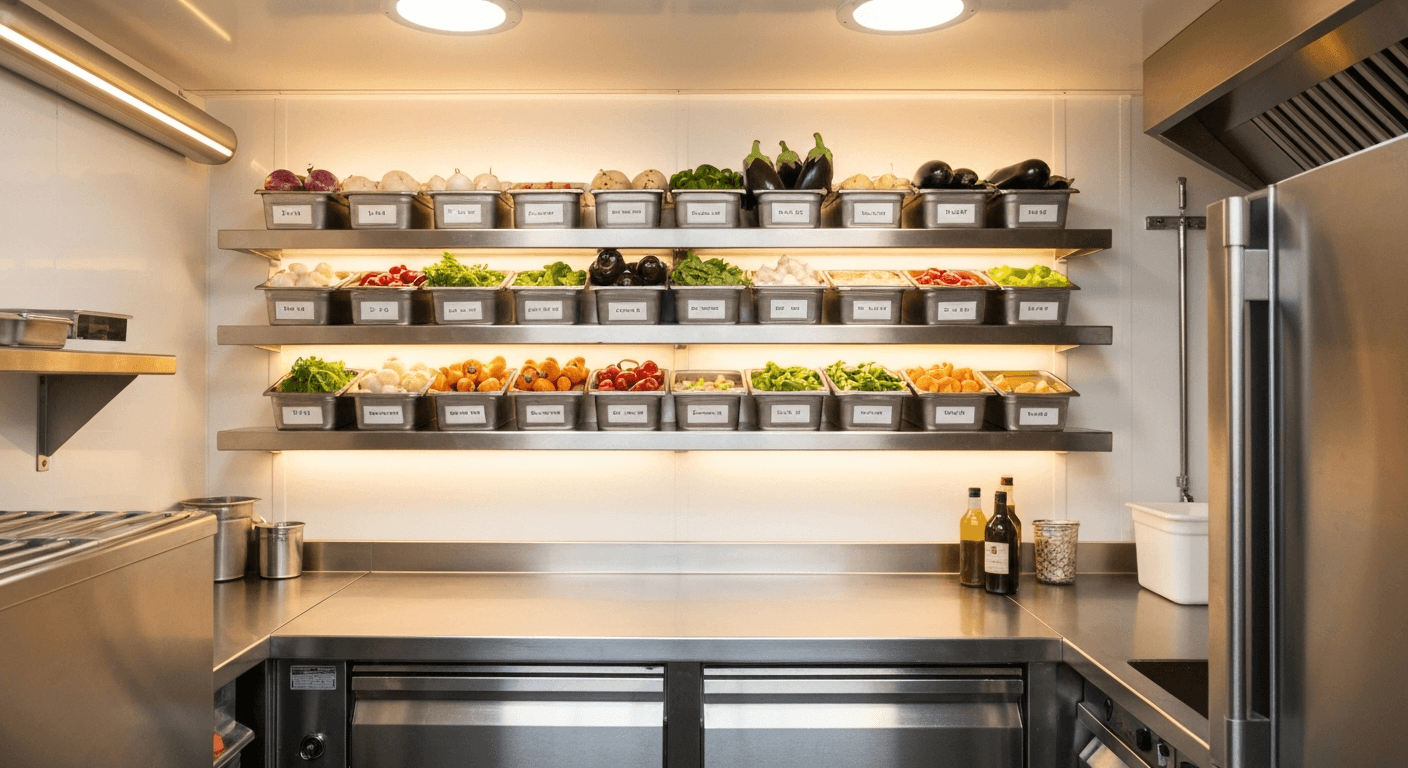
Local Sourcing and Short Supply Chains
Why Local Sourcing Wins
Sourcing locally is both an ecological choice and a powerful selling point. By buying directly from local producers, you:
- Reduce the carbon footprint of transporting your ingredients
- Guarantee freshness (harvested 24 to 48 hours before)
- Support the local economy (a highly valued argument for customers)
- Control traceability of your ingredients
How to Find Local Suppliers
- Farmers markets: the simplest way to meet potential suppliers
- Online platforms: depending on your country, platforms like La Ruche qui dit Oui (France), Farmdrop (UK), or local farm co-ops
- Agricultural cooperatives: groups of producers who deliver directly
- Community Supported Agriculture (CSA): seasonal produce boxes
The Impact on Your Costs
Contrary to popular belief, local sourcing is not always more expensive. By cutting out middlemen, you can get competitive prices, especially for fruits, vegetables, and cheese. For meat, the premium is real (10 to 20%) but is offset by higher perceived quality and a higher selling price.
Waste Management in the Field
Sorting Efficiently in a Small Space
In a food truck, space is precious. Yet basic sorting is essential:
- Organic bin: peelings, food scraps, coffee grounds (compost or bio-waste collection)
- Paper/cardboard bin: supplier packaging, delivery boxes
- General waste bin: everything else, to be minimized
Reducing Waste at the Source
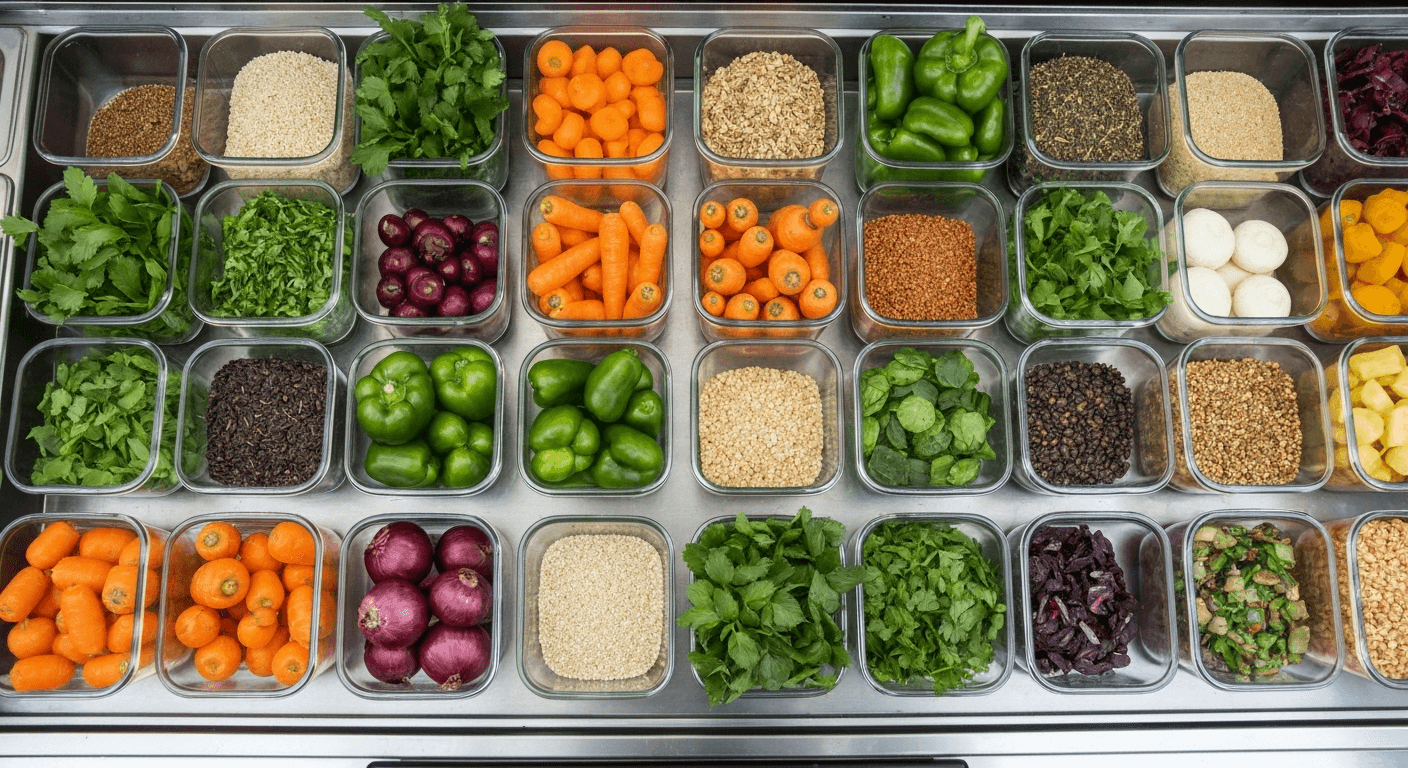
The best way to manage waste is to produce less of it. Here are practical strategies:
- Order precisely using sales predictions: less stock wasted, less waste produced. This is exactly what FoodTracks AI predictions enable.
- Offer adjustable portions: a standard size and a smaller size for lighter appetites
- Use trimmings: vegetable scraps make excellent soups or sauces
- Eliminate single-serve packets: replace sauce sachets with refillable dispensers
Energy Savings and Green Mobility
Optimize Your Vehicle's Fuel Consumption
Fuel is one of the most polluting expenses for a food truck. A few simple steps to reduce consumption:
- Plan your routes: group your locations by geographic zone to limit mileage
- Maintain your engine: a well-maintained engine uses 10 to 15% less fuel
- Check tire pressure: underinflated tires increase fuel consumption by 5%
- Avoid idling: turn off the engine as soon as you are set up
Reduce Electrical Consumption
At your selling spot, electricity powers your fridges, griddles, fryers, and lighting. To reduce the bill and the impact:
- LED lighting: uses 80% less energy than traditional bulbs
- Energy-rated A fridges: investment paid back within 2 years
- Lids on fryers: reduce oil and energy consumption by 30%
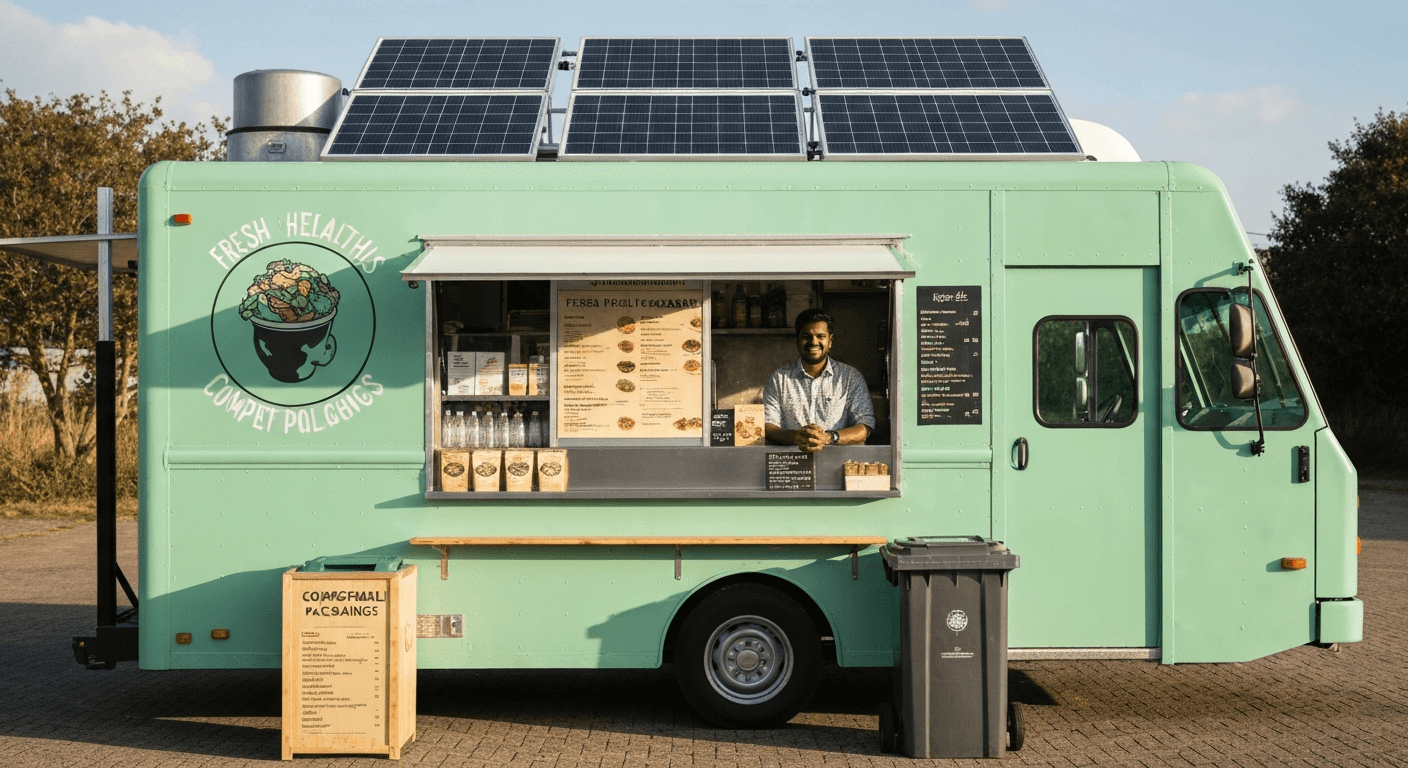
- Portable solar panels: to power lighting and your POS system
Communicating Your Commitments
Greenwashing: A Trap to Avoid
Nothing is worse than claiming to be eco-friendly without concrete proof. Customers are increasingly informed and quickly spot fake commitments. Be honest: if you have replaced your packaging but do not yet sort your waste, say so. Transparency is more credible than perfection.
How to Promote Your Approach
- On your truck: a visible sticker or sign with your key commitments (compostable packaging, local products, waste sorting)
- On social media: share your concrete actions (photos from the farmers market, switching to new packaging)
- On your menu: indicate ingredient origins ("Tomatoes from Smith Farm, 10 miles away")
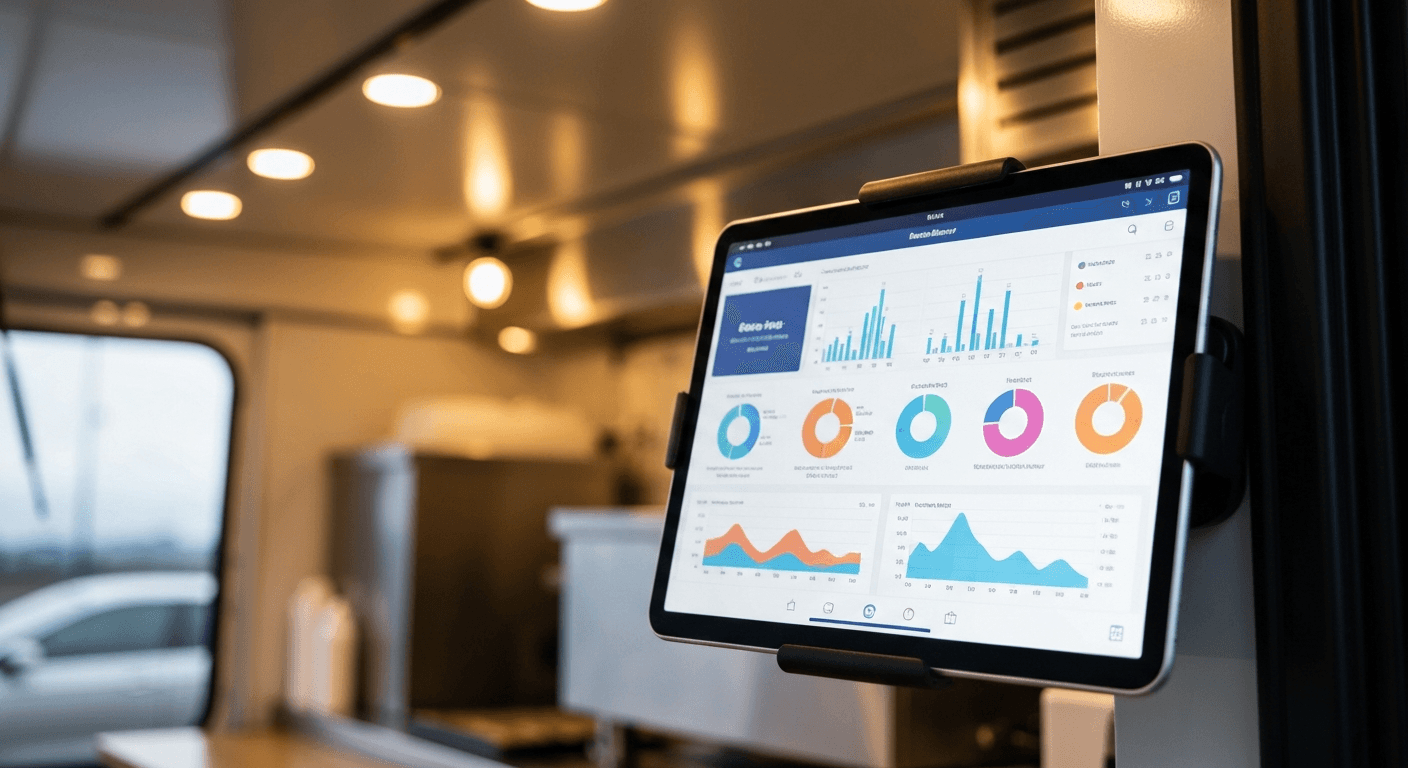
- On FoodTracks: track your waste indicators to share real numbers with your customers
Labels and Certifications
Several labels can add credibility to your approach:
- Ecotable (France): label for sustainable food service, accessible to food trucks
- Sustainable Restaurant Association (UK): certification for responsible food businesses
- Organic certification: if your ingredients are certified organic (requires strict compliance)
The Impact on Your Profitability
Going eco-friendly requires an initial investment, but the returns are real:
- 20 to 40% reduction in waste through better stock management and adjusted orders. The FoodTracks waste reduction module can help you achieve this.
- 10 to 15% increase in average ticket: eco-conscious customers spend more willingly
- Stronger loyalty: a customer who shares your values comes back more often
- Savings on packaging: compostable packaging bought in bulk often costs the same as plastic
- Access to premium locations: more and more markets and festivals require an eco-friendly approach to participate
4-Step Action Plan
Step 1: Audit Your Current Situation (Week 1)
Review your packaging, suppliers, waste management, and energy consumption. Note volumes and costs.Step 2: Replace Packaging (Weeks 2-3)
Start with the most visible change: replace plastic containers with compostable alternatives. Test several suppliers to find the best value for money.Step 3: Optimize Your Sourcing (Weeks 3-4)
Identify 2 to 3 local producers for your main ingredients. Test short supply chains for part of your menu.Step 4: Communicate and Measure (Ongoing)
Display your commitments, share on social media, and above all, measure the results. With FoodTracks, you can track your waste levels, ingredient costs, and sales to verify that your approach is as profitable as it is ecological.Conclusion
Becoming an eco-friendly food truck is not an overnight revolution. It is a step-by-step progression that benefits both the planet and your business. Consumers are ready, regulations are pushing in this direction, and tools like FoodTracks let you concretely measure the impact of each action.
Start small, measure everything, and move at your own pace. Your wallet and your customers will thank you.
Try FoodTracks for free and start measuring your impact today.
Frequently Asked Questions
- How much does switching to compostable packaging cost for a food truck?
- Compostable packaging (bagasse trays, wooden cutlery, paper bags) costs on average 0.15 to 0.25 euros per unit, similar to plastic when purchased in bulk. The initial extra cost is often offset by the increase in average ticket from eco-conscious customers.
- How to reduce food truck waste on a daily basis?
- Order precisely using AI sales predictions, offer adjustable portions, use vegetable trimmings for soups or sauces, replace single-serve packets with refillable dispensers, and sort your waste into three streams: organic, paper/cardboard, and general waste.
- Is an eco-friendly food truck more profitable?
- Yes, in most cases. The reduction in waste (20 to 40%), the increase in average ticket (10 to 15%), and stronger customer loyalty more than offset any extra cost for packaging or local ingredients. Additionally, many markets and festivals reserve their best spots for eco-friendly food trucks.
- What eco labels exist for food trucks?
- In France, the Ecotable label certifies sustainable restaurants and food trucks. In the UK, the Sustainable Restaurant Association offers certification for responsible food businesses. If your ingredients are organic, you can display the relevant national organic label after certification. Some local authorities also offer eco-friendly business labels.